
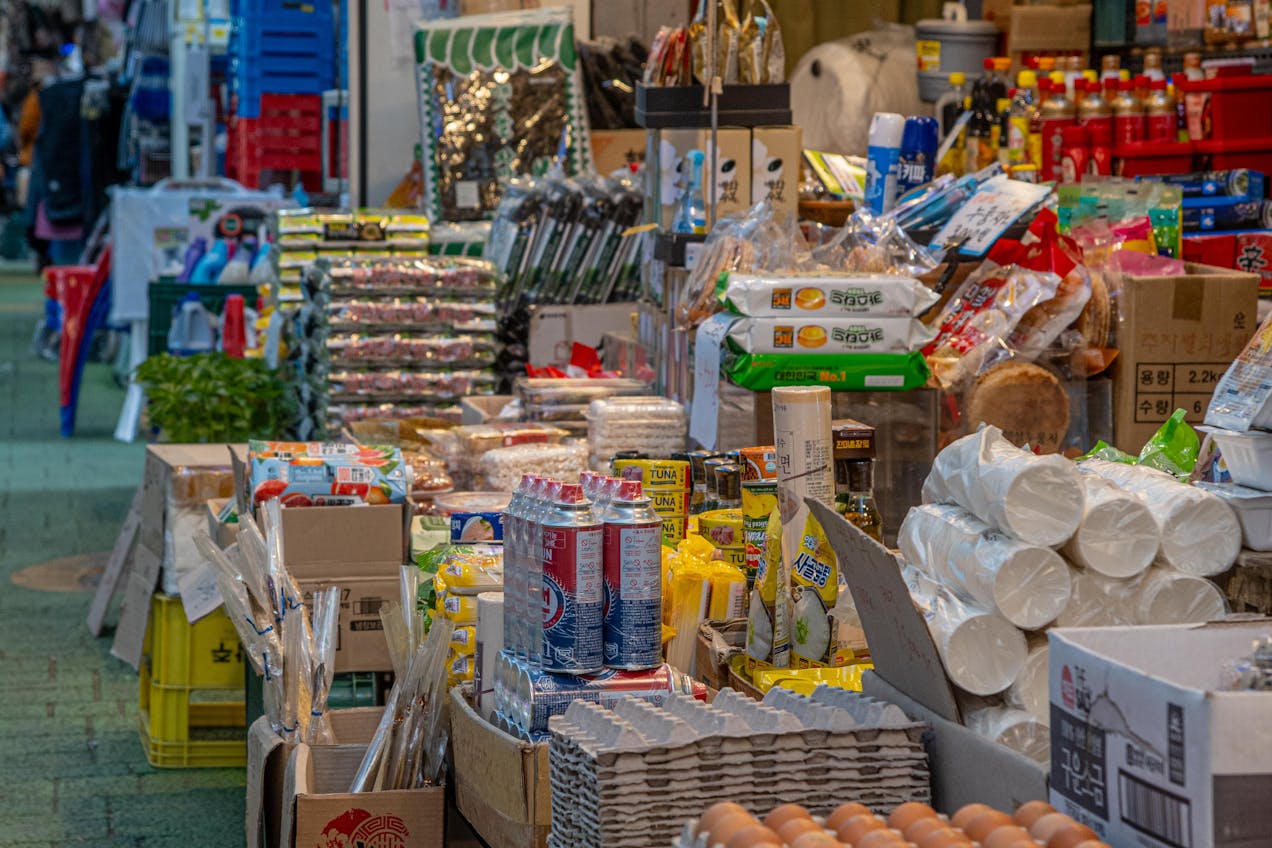
Groceries and Essentials Taxable
Texas residents pay sales tax on most retail purchases, but groceries and essential household items are treated differently under state tax laws.
While Texas does impose a statewide sales tax rate of 6.25%, many basic food items are exempt when purchased for home consumption.
Understanding which products are taxable and which are exempt helps Texas families and business owners stay compliant and avoid overpaying sales tax.
Step 1: Texas Sales Tax Overview
Texas levies a state sales and use tax on the retail sale, lease, or rental of most tangible personal property and taxable services.
Cities, counties, and special districts may add local sales taxes of up to 2%, creating a combined maximum rate of 8.25% in some areas.
However, not all products are treated equally. Texas tax law specifically exempts many grocery items and essentials used for household consumption.
Step 2: What Groceries Are Exempt from Sales Tax
According to Texas Tax Code provisions, the following food items are exempt from sales tax when purchased for home use:
- Fresh fruits and vegetables
- Meat, poultry, and seafood
- Milk, cheese, butter, and eggs
- Bread, cereals, and flour
- Rice, pasta, and grains
- Coffee and tea for home brewing
- Bottled water and ice
- Baby food and formula
- Cooking oils, salt, sugar, and spices
Example:
If a family in Dallas purchases groceries totaling $250 consisting of produce, bread, and dairy items, they will not pay any sales tax on those items.
Step 3: Items Considered Taxable Even if Sold in Grocery Stores
While most unprepared groceries are exempt, the following items remain taxable under Texas sales tax laws:
- Prepared Foods
- Hot meals, sandwiches, or foods ready to eat.
- Items sold by restaurants or convenience stores.
- Soft Drinks and Candy
- Beverages containing sweeteners, carbonated drinks, and candies are taxable.
- Supplements and Vitamins
- Over-the-counter vitamins, protein powders, and dietary supplements are generally taxable.
- Pet Food and Non-Food Items
- Pet food, paper goods, cleaning products, and household supplies are taxable.
Example:
A $50 grocery bill that includes soft drinks, chips, and cleaning supplies would be taxed at your local combined sales tax rate, such as 8.25%.
Step 4: Rules for Combination Items and Meal Kits
Some products sold in combination packages such as gift baskets, meal kits, or snack packs may have mixed taxability.
If a taxable and nontaxable item are sold together for a single price, the entire package is generally taxable.
However, if items are separately priced or labeled, only the taxable items are subject to sales tax.
Retailers are responsible for correctly identifying and collecting tax on each component.
Step 5: Grocery Stores and Restaurant Differences
- Grocery Stores: Sell primarily exempt items like produce and packaged goods, but must collect sales tax on non-food or prepared items.
- Restaurants and Food Trucks: All meals, beverages, and to-go items are taxable regardless of where consumed.
- Caterers and Bakeries: Must charge sales tax on ready-to-eat food and beverages, but not on bulk, unprepared food sold for home use.
Understanding this distinction is critical for Texas business owners in the food and retail industries to remain compliant with state sales tax rules.
Step 6: SNAP and WIC Purchases
Items bought with SNAP (Supplemental Nutrition Assistance Program) or WIC (Women, Infants, and Children) benefits are fully exempt from Texas sales tax.
This exemption applies to eligible food products even if they would otherwise be taxable when purchased without these benefits.
Step 7: Business Compliance for Retailers
Retailers selling both taxable and exempt items must:
- Maintain accurate sales records separating taxable and nontaxable sales.
- Display clear product labeling for taxable items.
- File regular sales tax returns through the Texas Comptroller’s Office.
- Remit collected sales tax by the assigned due dates to avoid penalties.
Failure to properly separate or report taxable sales can result in fines and interest charges.
Conclusion
In Texas, most groceries and essential household foods are exempt from sales tax, but prepared foods, drinks, supplements, and household items remain taxable.
For individuals, understanding these rules ensures accurate spending and budgeting. For businesses, proper classification and collection of sales tax are critical for compliance and audit protection.
Knowing what qualifies as taxable or exempt keeps you informed and legally compliant under Texas sales tax law.
Call to Action
For professional guidance on Texas grocery sales tax, retail compliance, or classification of taxable goods, contact Anshul Goyal, CPA EA FCA, a U.S.-licensed Certified Public Accountant, Enrolled Agent authorized to practice before the IRS, and cross-border tax expert assisting Texas individuals and businesses in sales tax planning and compliance.
Disclaimer
This article is for informational purposes only and does not constitute legal or tax advice. Always consult a qualified CPA before filing or remitting sales tax in Texas.
Top 5 FAQs
- Are groceries taxed in Texas?
No. Most unprepared grocery items are exempt from sales tax. - Are restaurant meals taxable?
Yes. Prepared foods, meals, and beverages sold by restaurants are subject to sales tax. - Are soft drinks and candy exempt?
No. Soft drinks, candy, and similar snacks are taxable in Texas. - Do grocery stores collect sales tax on all items?
Only on taxable items such as cleaning supplies, supplements, and prepared foods. - Are SNAP and WIC purchases taxed in Texas?
No. Purchases made with SNAP or WIC benefits are completely exempt from sales tax.
About Our CPA
Anshul Goyal, CPA EA FCA is a Certified Public Accountant licensed in the United States, Enrolled Agent admitted to practice before the IRS, and cross-border tax expert assisting Texas residents and retail businesses with sales tax compliance and accounting efficiency.